

- This event has passed.
Shoulder Arthroplasty Principles with Dr. Charles Wang
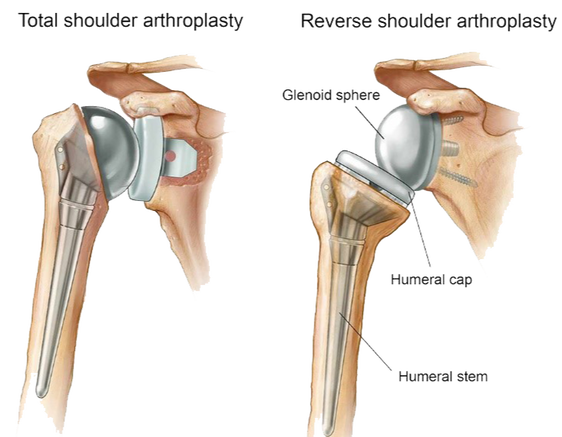
This advanced cadaver-based course is designed to provide physical therapists and rehabilitation professionals with a comprehensive understanding of the anatomy, biomechanics, and surgical principles underlying shoulder arthroplasty procedures. Participants will review detailed osseous, capsuloligamentous, and myotendinous anatomy of the glenohumeral and scapulothoracic joints with direct correlation to its role in both anatomic and reverse total shoulder arthroplasty.
Emphasis will be placed on how implant design, altered joint mechanics, and surgical technique directly influence post-operative rehabilitation progression, precautions, and clinical outcomes. Common arthroplasty-specific complications such as instability, scapular notching, component loosening, nerve injury, stiffness, and subscapularis failure will be reviewed with clear relevance to rehabilitation decision-making.
It will conclude with cadaveric surgical presentations of both anatomical total shoulder arthroplasty and reverse shoulder arthroplasty.
This course is intended for licensed physical therapists, physical therapist assistants, and rehabilitation professionals seeking to advance their understanding of shoulder arthroplasty from both a surgical and rehabilitative perspective, with direct, immediate application to patient care.